Steam to Introduce "Frame Estimator" for Predicting Game Performance
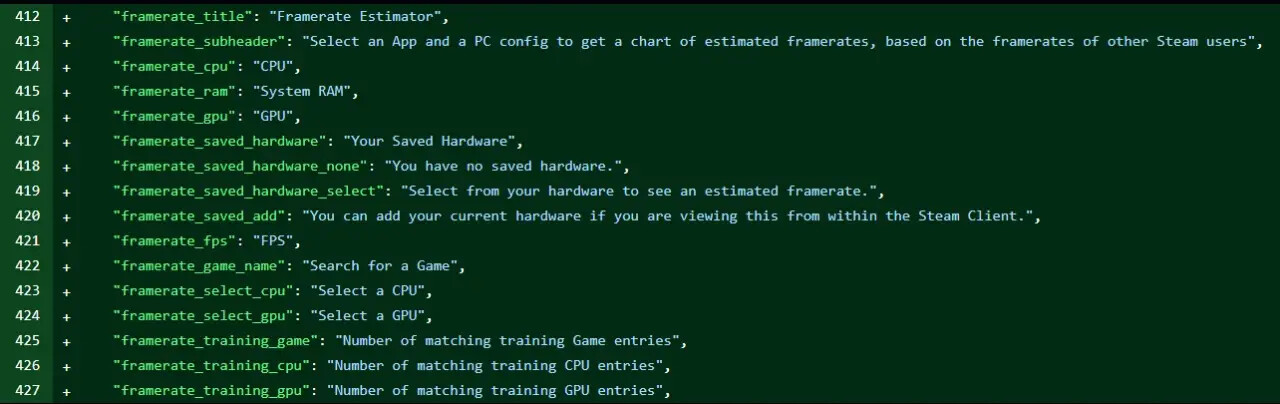
Valve is reportedly developing a new feature for Steam called the "Frame Estimator," designed to help gamers predict how well their PC will run a game before making a purchase. As the world’s largest gaming platform, Steam has access to a vast array of PC hardware data, which it leverages to enhance the user experience. This upcoming tool aims to provide personalized performance estimates based on your unique system configuration, offering valuable insights for both casual and enthusiast gamers.
How the Frame Estimator Works
The Steam Client already allows users to opt into Valve’s telemetry system, which collects anonymized data about PC specifications and game libraries. By analyzing this information, the Frame Estimator will predict the frames per second (FPS) your system can achieve in specific games, tailored to your hardware setup. For example, if you have a particular CPU, GPU, and amount of RAM, Steam could indicate whether you can expect 60 FPS at 1440p on high settings, or provide estimates for other resolutions and quality presets.
While the exact interface and functionality are still under development, early reports suggest that this feature will be integrated directly into the Steam Client. Users will be able to see performance projections before purchasing a game, helping them make more informed decisions and avoid potential disappointment.
Building a Data-Driven Recommendation System
Valve has recently begun collecting anonymous FPS data from users when they play games, further enriching its dataset. With millions of participants contributing real-world performance metrics, Valve is positioned to create a robust system that estimates FPS output based on a wide range of PC configurations. This approach is similar to advanced recommendation engines, using large-scale data analysis to deliver accurate predictions within a reasonable margin of error.
The diversity of PC hardware makes this a significant technical challenge. Gamers can choose from a vast selection of CPUs (from AMD and Intel, spanning multiple generations), GPUs (from AMD, Intel, and NVIDIA), and memory types (DDR3, DDR4, DDR5), each with different capacities, speeds, and timings. Operating systems and driver versions add further complexity. By leveraging its extensive data resources, Valve aims to provide reliable performance estimates that account for this hardware variability.
Implications for PC Gamers
The introduction of the Frame Estimator could be a game-changer for the PC gaming community. It addresses a longstanding challenge: predicting how a specific hardware setup will perform in a new title. With this tool, users can make more confident purchasing decisions, ensuring that their chosen games will run smoothly on their systems. As Valve continues to refine the feature ahead of its public beta release, the gaming community eagerly anticipates a more transparent and informed buying experience on Steam.