AMD Launches FSR Upscaling 4.1 for Radeon RX 7000 Series Graphics Cards
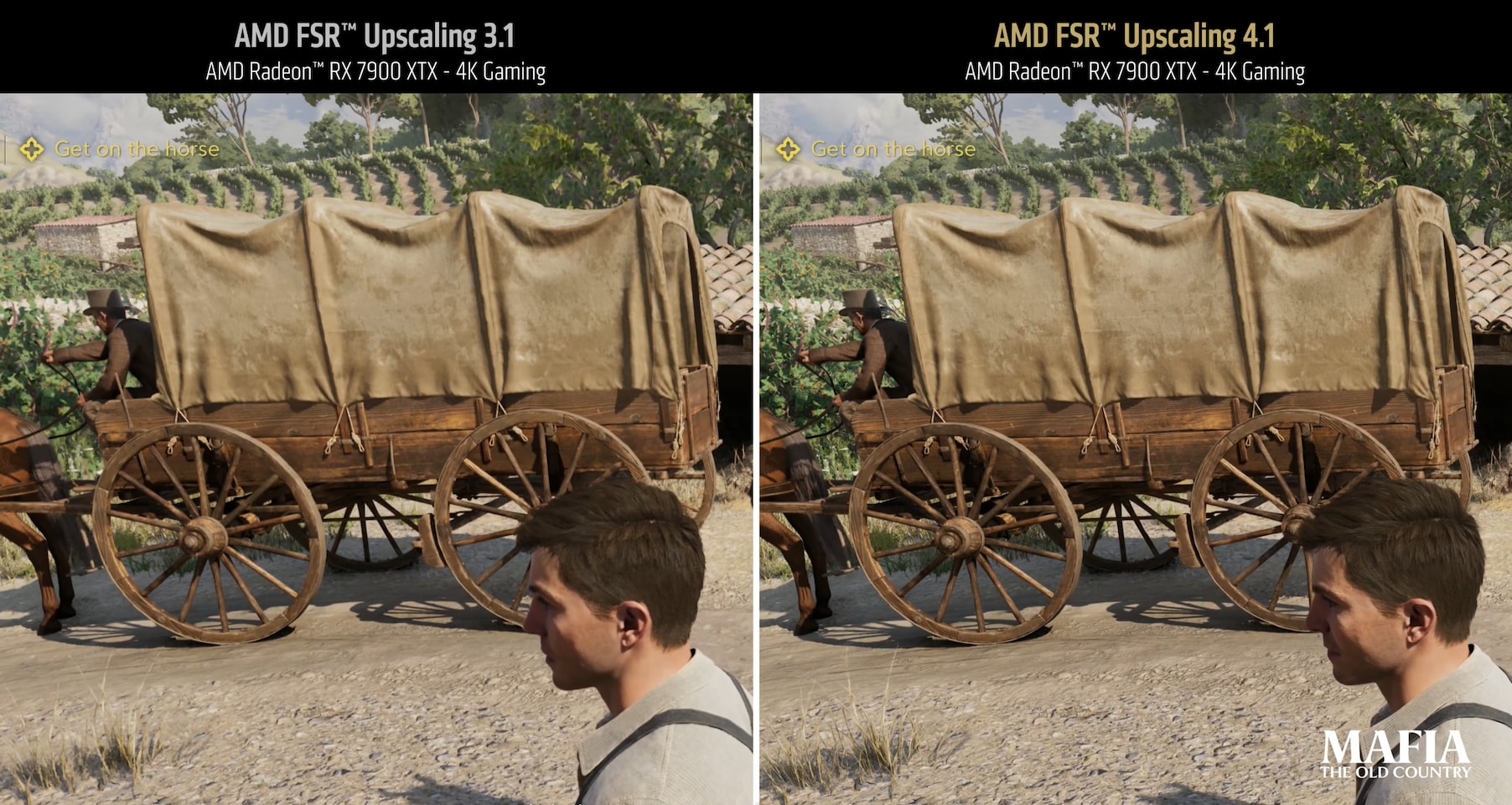
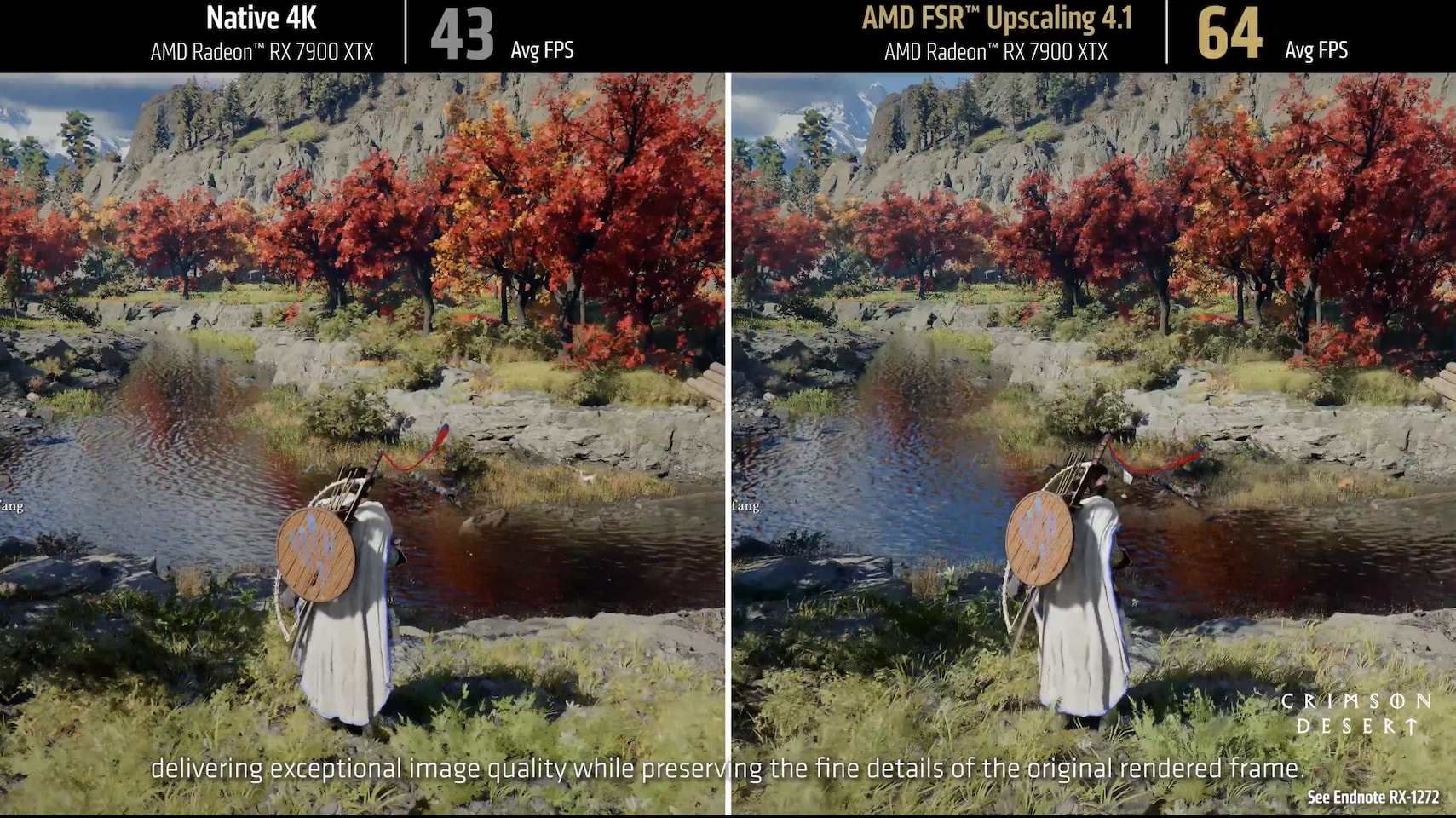
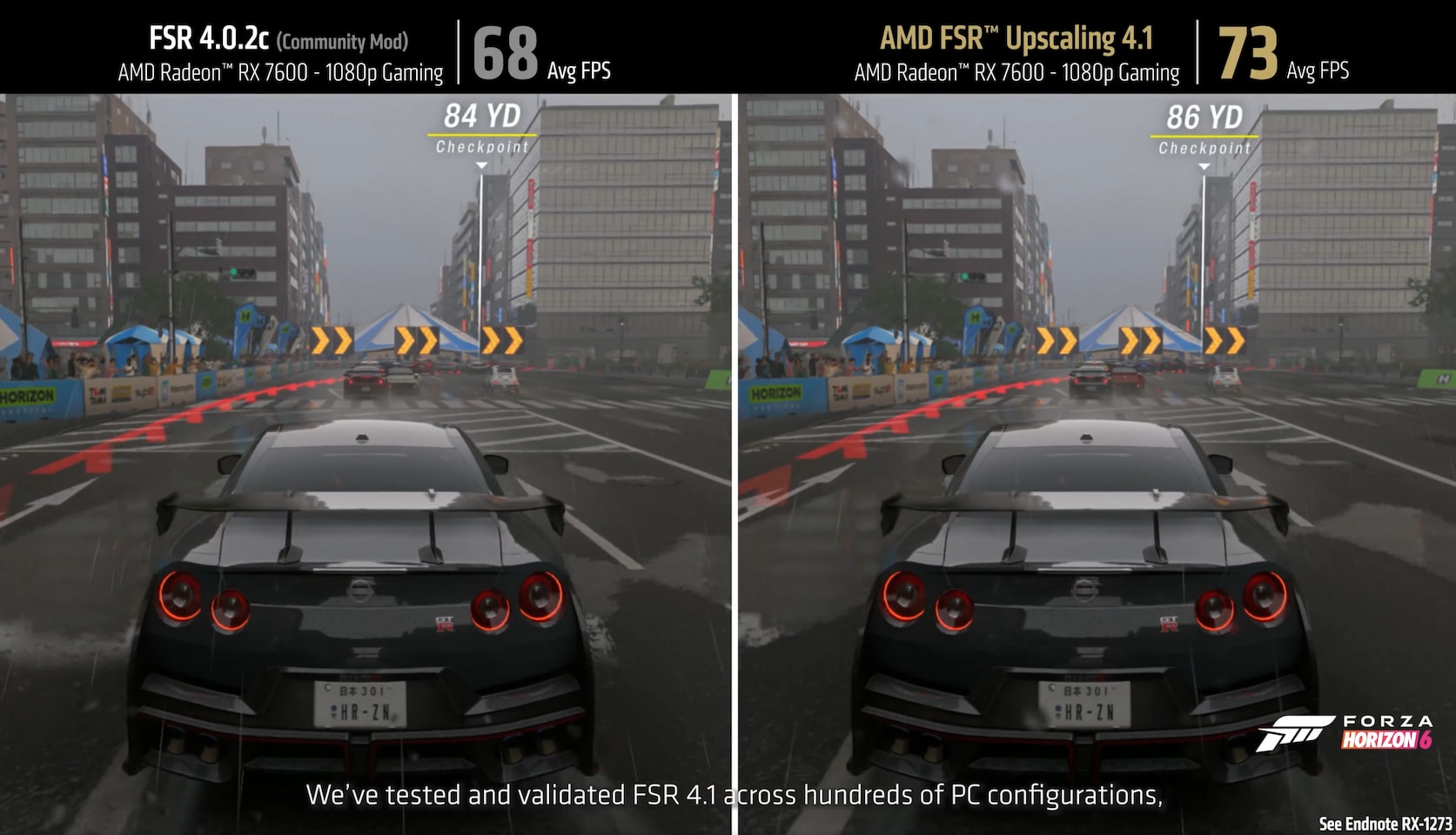
AMD has officially introduced the FSR Upscaling 4.1 model, optimized for RDNA 3 architecture, to the Radeon RX 7000 series graphics cards. This release marks a significant milestone in AMD’s roadmap to bring FSR 4 technology to all RDNA-based gaming GPUs. With the latest AMD Software: Adrenalin Edition 26.6.2 graphics driver, users of Radeon RX 7000 series GPUs can now access FSR 4.1 in over 300 supported games, unlocking enhanced performance and advanced upscaling features previously exclusive to RDNA 4 hardware.
Key Differences Between RDNA 3 and RDNA 4 FSR 4.1 Implementations
The FSR Upscaling 4.1 model for RDNA 3 GPUs is architecturally distinct from its RDNA 4 counterpart. RDNA 4 graphics cards natively process 8-bit floating point (FP8) data, allowing FSR 4.1 to leverage FP8 data types for improved efficiency. In contrast, RDNA 3 hardware is designed for 8-bit integer (INT8) data and does not support FP8 natively. To enable FSR 4.1 on RDNA 3, AMD engineers adapted the model to operate on INT8 data, requiring a comprehensive conversion process.
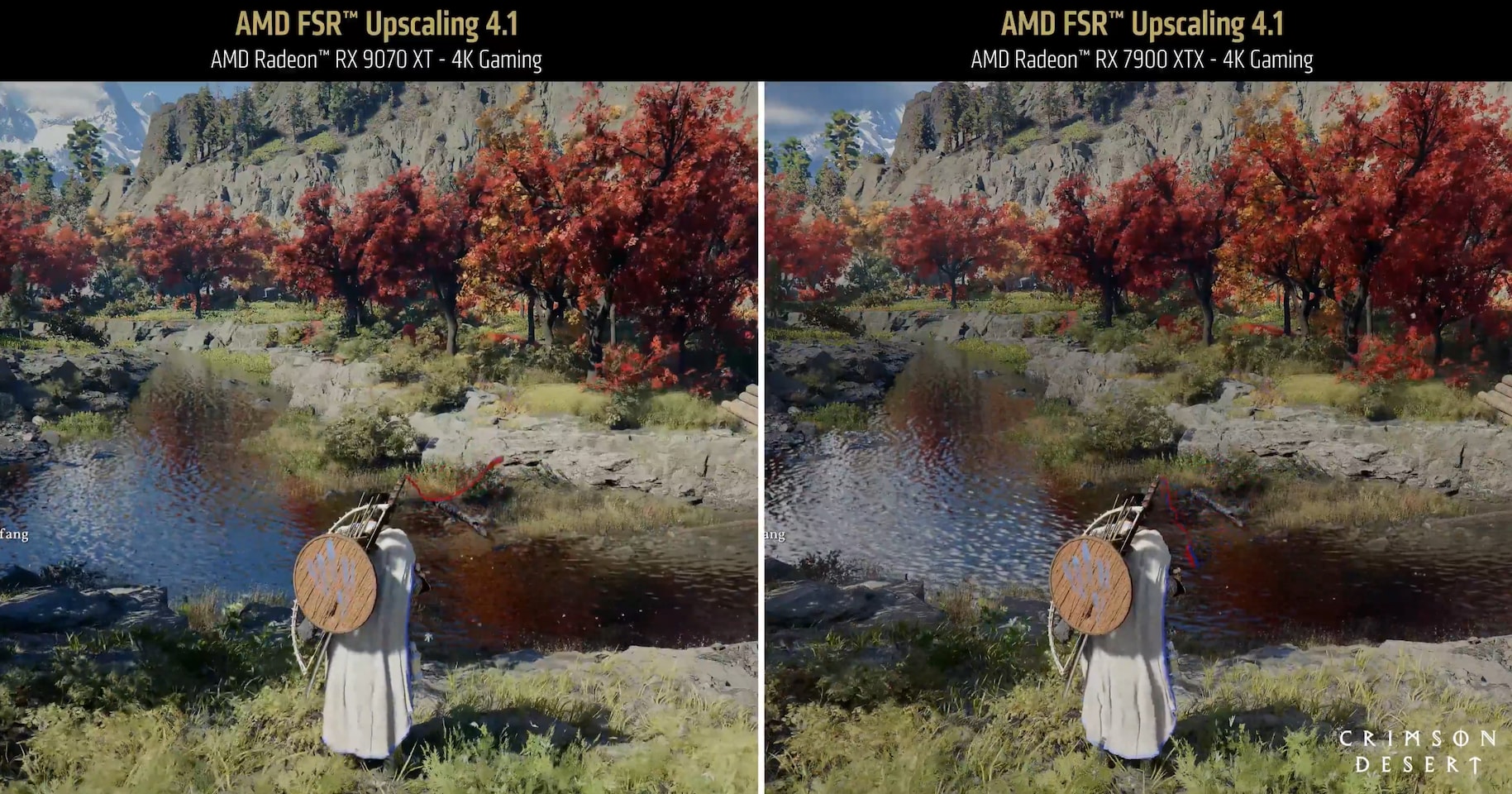
This adaptation ensures that the upscaling model maintains high visual fidelity, with AMD officially confirming that the image quality on RDNA 3 matches that of the RDNA 4 implementation. The conversion process, while technically demanding, was necessary to deliver the same level of upscaling performance and image quality across different GPU architectures.
FSR 4.1 Support for RDNA 3-Based APUs
AMD is also extending FSR 4.1 support to RDNA 3-based APUs. Integrated graphics solutions, such as those found in APUs, typically offer lower performance compared to discrete GPUs. To address this, AMD is developing specialized "lightweight machine learning models" tailored for these platforms, aiming to optimize FSR 4.1 performance without compromising visual quality.
While it remains to be seen if these optimizations will include RDNA 3.5, recent leaks—such as Valve’s demonstration of the INT8-based FSR 4.1 model—indicate that the technology runs smoothly on RDNA 3.5 hardware. This suggests that broader support and further updates from AMD are likely in the near future.
Conclusion
The release of FSR Upscaling 4.1 for the Radeon RX 7000 series represents a major advancement for AMD’s upscaling technology, bringing improved gaming performance and image quality to a wider range of hardware. By adapting the FSR 4.1 model for different GPU architectures and working on optimizations for integrated graphics, AMD continues to demonstrate its commitment to delivering cutting-edge gaming experiences across its product lineup.