ASUS ROG Flow Z13 Repairability: iFixit’s Teardown Reveals a Different Story
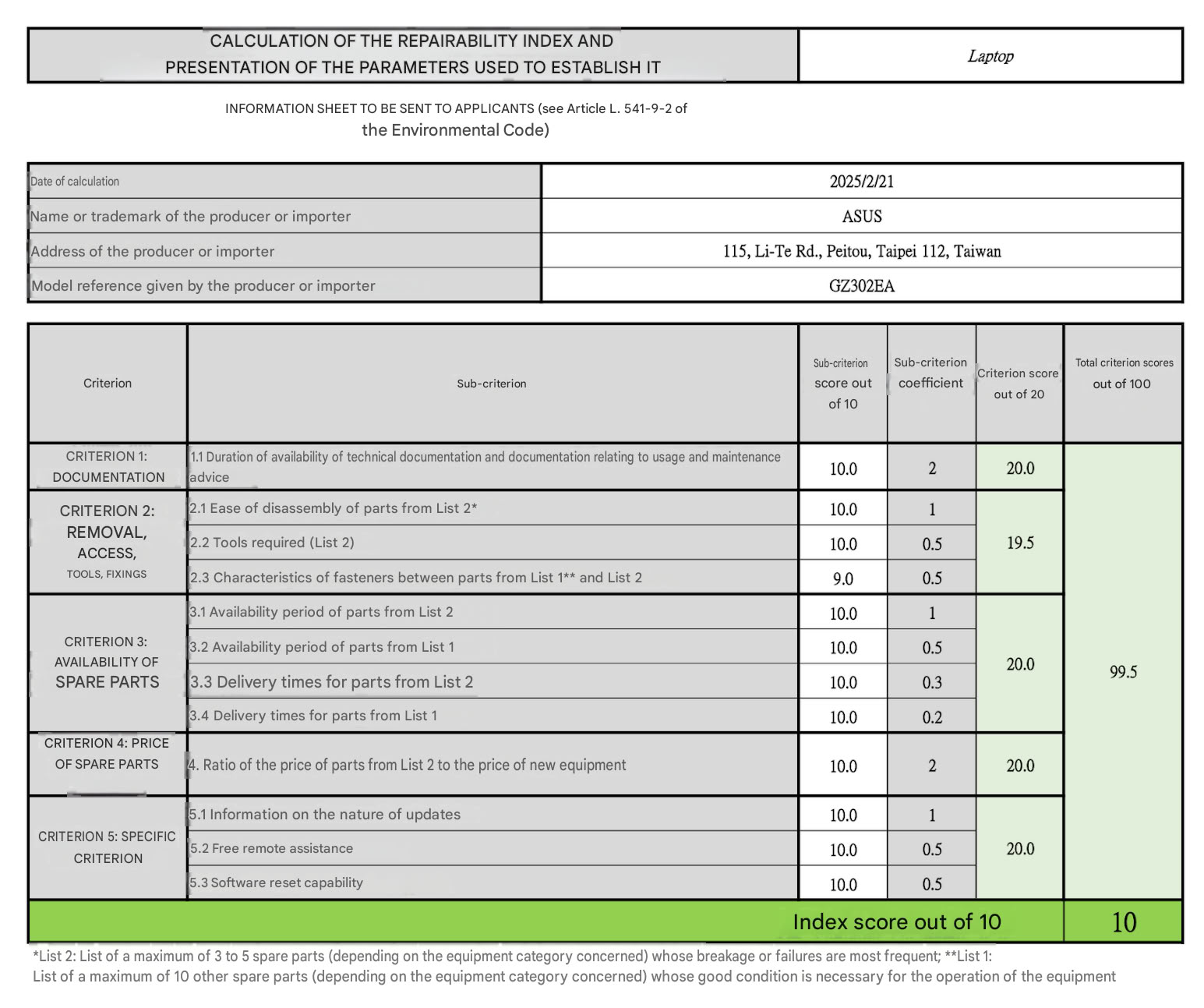
When ASUS introduced the ROG Flow Z13 gaming 2-in-1 in 2025, the company highlighted its impressive 10/10 repairability score. This self-assessed rating was based on factors such as parts availability, repair documentation, cost, and the ease of accessing internal components for replacement. However, a recent independent teardown by iFixit, a well-known authority in device repair and right-to-repair advocacy, paints a more nuanced picture.
iFixit’s Teardown: A Closer Look at Repairability
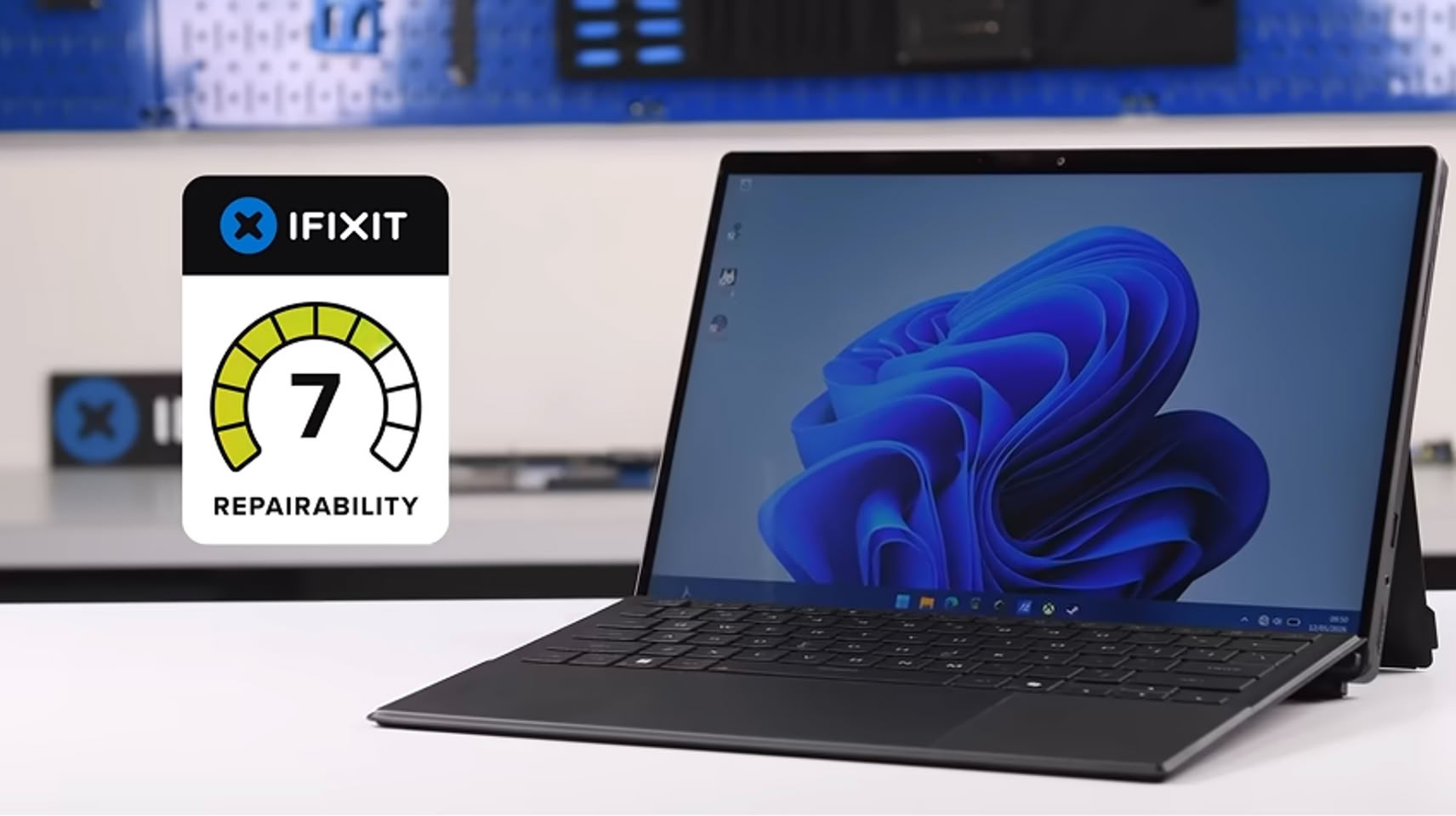
After thoroughly disassembling the ROG Flow Z13, iFixit assigned the device a 7/10 repairability score. While this is still a strong result—especially for a compact, high-performance convertible—it falls short of ASUS’s perfect score. The discrepancy highlights differences in how repairability is evaluated. iFixit’s methodology places significant emphasis on hardware design, which accounts for 80% of its overall score. In contrast, the French Indice de Réparabilité, which ASUS references, weighs hardware design at just 20%.
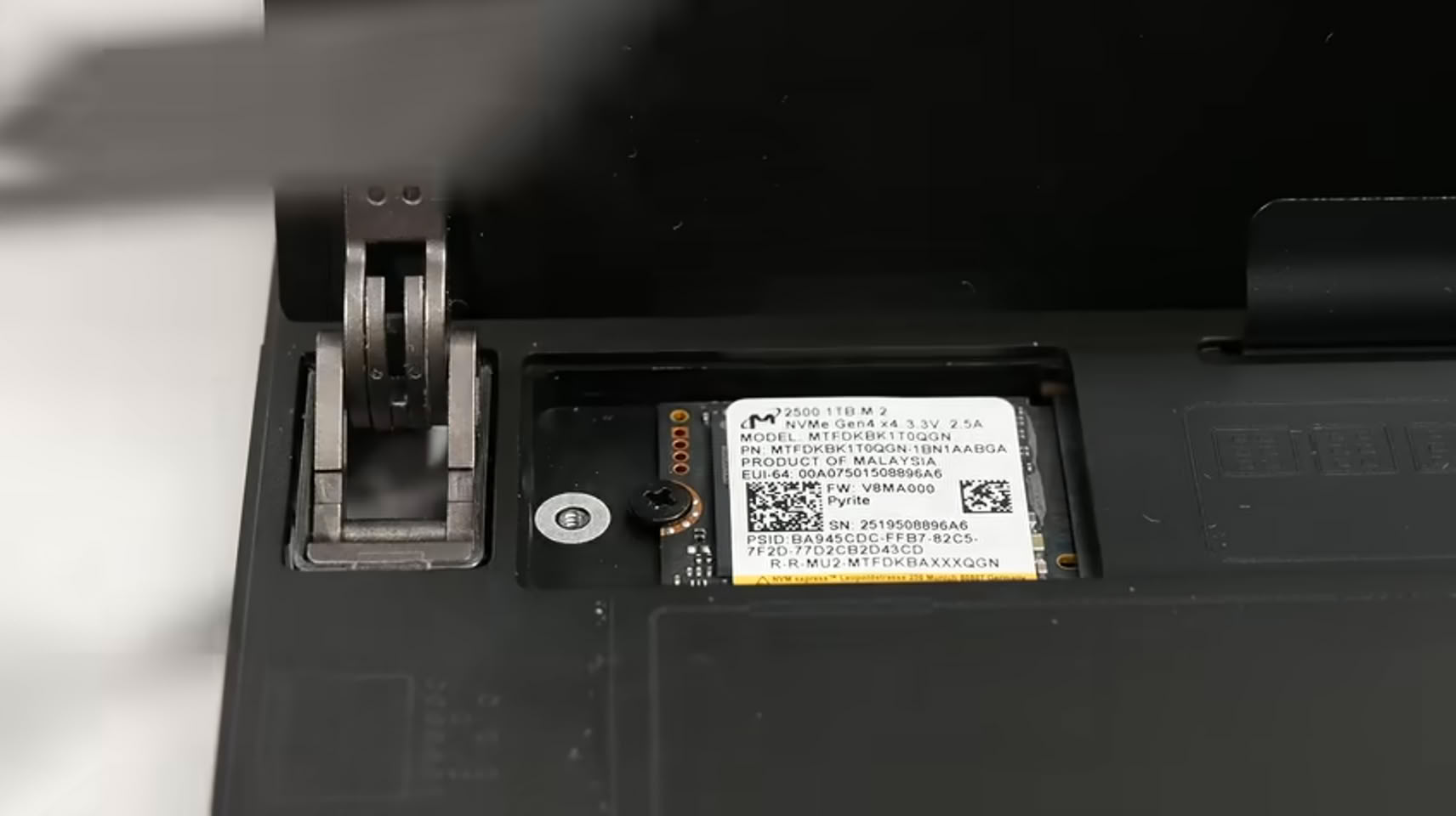
This focus on hardware design led iFixit to commend several aspects of the Flow Z13. The display is secured with screws rather than adhesive, making it easier to remove and replace. The SSD is accessible without extensive disassembly, and the battery is also screwed in, not glued. Both the front and rear camera modules are modular and easy to access. The speakers, while modular, are less accessible, as are the microSD card slot and I/O board.
Challenges and Limitations in Design
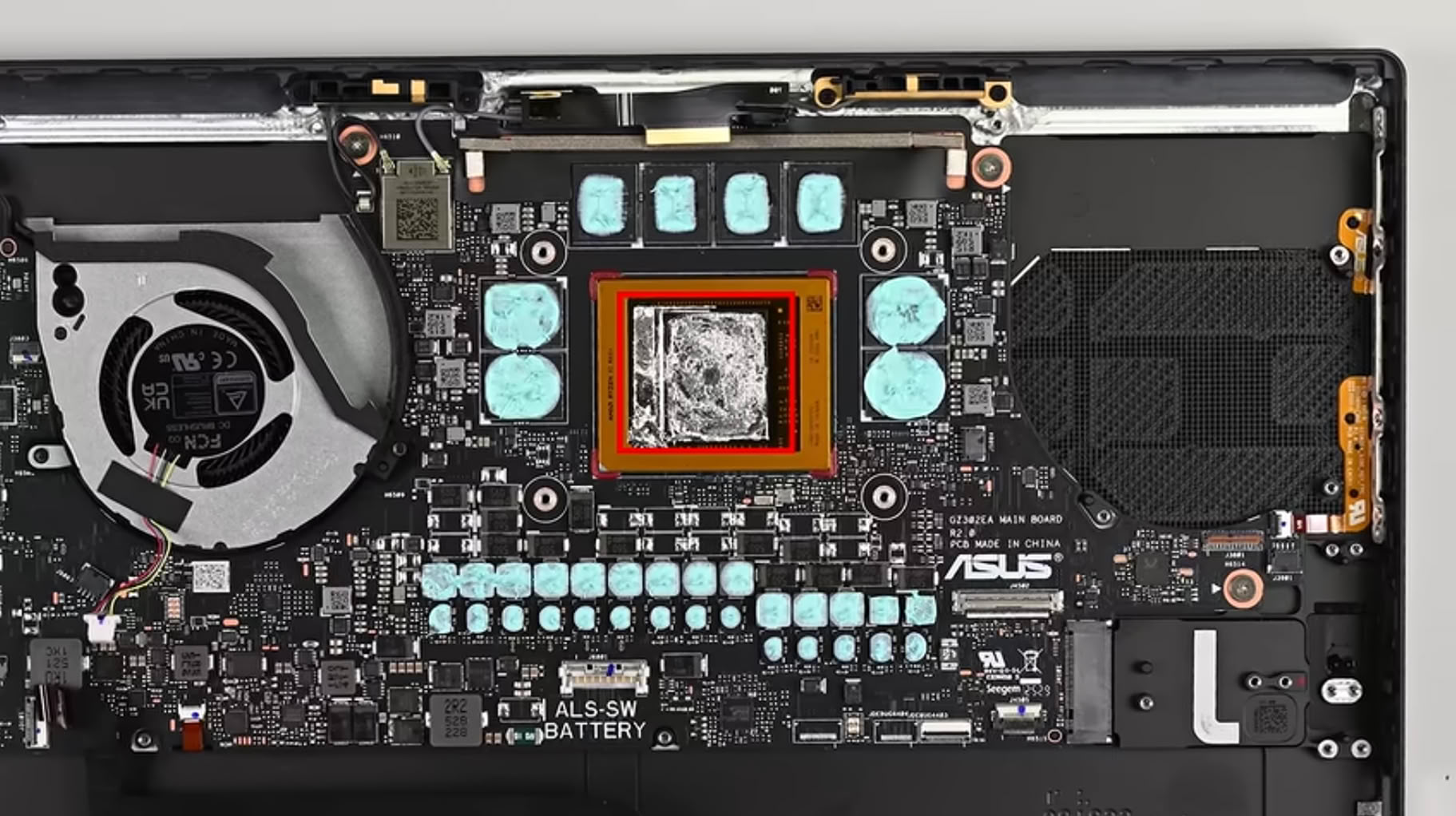
Despite these positive features, iFixit identified several design choices that complicate repairs. Replacing the fan, for example, requires removing the heat sink and reapplying liquid metal to the CPU—a process that is both complex and time-consuming. Additionally, the wireless card, ports, and RAM are soldered directly to the motherboard. If any of these components fail, repair involves either intricate soldering work or a full motherboard replacement. iFixit notes that even under the less stringent French scoring system, ASUS should have lost points for these soldered components.
Documentation is another area where the Flow Z13 falls short. The repair manual provided by ASUS lacks detailed troubleshooting guidance and omits board-level repair instructions, limiting its usefulness for more advanced repairs.
Parts Availability and the Issue of Self-Reported Scores
The availability of replacement parts is generally good, with spares offered directly by ASUS. However, the high cost of the device raises questions about the overall accessibility of repairs. Notably, the repairability score displayed on the Flow Z13’s Amazon page is 9.3—lower than the score found on ASUS’s official website and product page.
iFixit argues that these inconsistencies highlight a broader issue with self-reported repairability scores. Without independent auditing, manufacturers can interpret or apply scoring criteria in ways that may not fully reflect the real-world repair experience.
The iFixit teardown of the ASUS ROG Flow Z13 underscores the importance of transparent, third-party evaluations in the ongoing conversation about device repairability. While the Flow Z13 offers several user-friendly design features, there remain significant challenges that potential buyers and repair professionals should consider.